



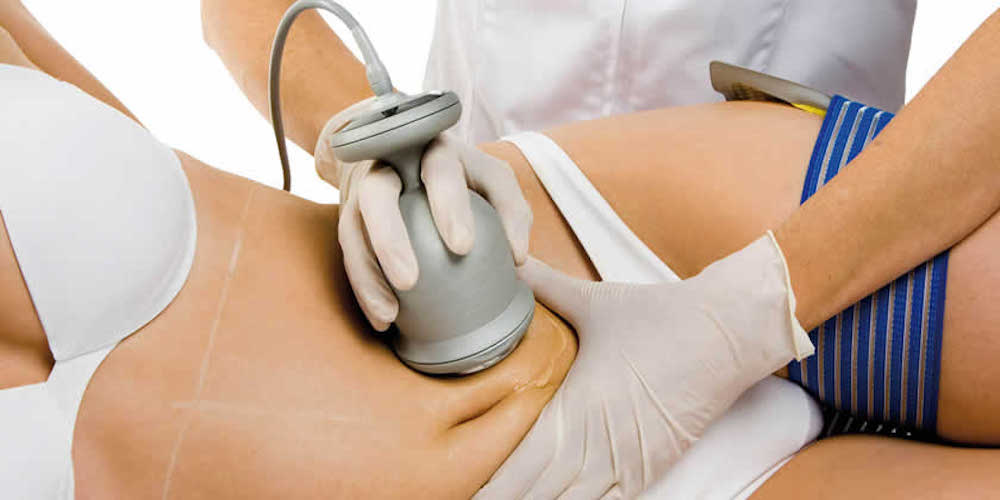
Ultrasonic cavitation is a non-invasive cosmetic procedure designed to reduce localized fat deposits and enhance body contours. As a popular alternative to traditional liposuction, it harnesses the power of ultrasound technology to target and break down fat cells without the need for surgery. This article will delve into the science behind ultrasonic cavitation, the procedure itself, potential benefits and risks, effectiveness, and aftercare.
The Science of Ultrasonic Cavitation
- Fundamental Principles:
- Ultrasound Waves: Ultrasonic cavitation employs low-frequency ultrasound waves, typically ranging from 20 kHz to 40 kHz. These waves create a phenomenon known as cavitation, where pressure changes in the liquid surrounding fat cells lead to the formation and subsequent collapse of microscopic bubbles.
- Cavitation Effect: When these bubbles collapse, they generate shockwaves that disrupt fat cell membranes, causing them to rupture and release their contents (triglycerides) into the surrounding interstitial fluid.
- Fat Cell Breakdown:
- Lipid Release: The released triglycerides are then metabolized by the body’s lymphatic system and processed by the liver. This natural detoxification process helps the body eliminate the broken-down fat over time.
- Tissue Selectivity: The ultrasound technology is designed to selectively target adipose tissue (fat) while sparing surrounding structures like blood vessels, nerves, and connective tissue, which reduces the risk of damage.
The Procedure: Step-by-Step
- Pre-Procedure Consultation:
- Assessment: A comprehensive consultation with a licensed practitioner is crucial. This includes discussing medical history, aesthetic goals, and expectations. Ideal candidates are typically within 20% of their ideal body weight and have localized fat deposits resistant to diet and exercise.
- Preparation:
- Area Marking: The treatment area is marked to outline the zones for the procedure.
- Gel Application: A conductive gel is applied to the skin to enhance ultrasound wave transmission and protect the skin.
- The Ultrasonic Treatment:
- Equipment Used: A handheld ultrasonic device is employed, which emits the ultrasound waves. The practitioner moves this device over the targeted area.
- Session Duration: Each session typically lasts between 30 to 60 minutes, depending on the size of the treatment area.
- Patient Experience: Most patients report a mild warming sensation, and the procedure is generally painless, making it suitable for various body parts, including the abdomen, thighs, buttocks, and arms.
- Post-Procedure Care:
- Hydration: Patients are advised to drink plenty of water to help flush out the released fat from the body. Staying hydrated also aids the lymphatic system in processing and eliminating the fat.
- Activity: Light physical activity is encouraged post-treatment to enhance metabolic processes.
Benefits of Ultrasonic Cavitation
- Non-Invasive Nature:
- Eliminates the need for anesthesia, incisions, and recovery time associated with surgical procedures.
- Targeted Fat Reduction:
- Offers precise contouring, allowing patients to focus on specific areas of concern rather than overall weight loss.
- Improved Skin Texture:
- Some studies suggest that ultrasonic cavitation can promote collagen production, leading to firmer, smoother skin over time.
- Quick Results:
- Many patients notice improvements after just one session, with optimal results typically observed after a series of treatments (usually 6 to 12 sessions).
- Minimal Side Effects:
- Compared to surgical options, side effects are generally mild and temporary, including slight redness, swelling, or sensitivity in the treated area.
Risks and Considerations
- Potential Side Effects:
- Side effects may include temporary discomfort, redness, or slight swelling, which usually resolve within hours to days.
- Not for Everyone:
- Individuals with certain medical conditions (e.g., liver disease, kidney dysfunction, or those who are pregnant) should avoid this treatment. A thorough medical evaluation is necessary to identify contraindications.
- Realistic Expectations:
- Ultrasonic cavitation is not a weight-loss method but a body-contouring technique. Patients should maintain realistic expectations regarding the extent of fat reduction.
- Individual Variation:
- Results can vary based on individual factors, such as body composition, metabolic rate, and adherence to post-treatment guidelines.
Effectiveness of Ultrasonic Cavitation
- Clinical Evidence:
- Studies have shown that ultrasonic cavitation can lead to significant reductions in waist circumference and localized fat thickness. A systematic review found that patients could expect a reduction of approximately 2 to 4 cm in treated areas after a series of sessions.
- Longevity of Results:
- While some patients experience lasting results, the sustainability of fat reduction relies heavily on lifestyle choices. A balanced diet and regular exercise are recommended to maintain the results achieved through the treatment.
- Maintenance Treatments:
- To prolong results, patients may opt for maintenance sessions every few months to keep the contours refined and address any new areas of concern.
Aftercare and Lifestyle Considerations
- Post-Treatment Recommendations:
- Patients are advised to avoid alcohol, caffeine, and high-sodium foods immediately following treatment to support detoxification.
- Engaging in light exercise, such as walking or yoga, can enhance lymphatic drainage and improve results.
- Dietary Suggestions:
- A balanced diet rich in fruits, vegetables, lean proteins, and whole grains is encouraged to support overall health and maintain the benefits of the procedure.
- Hydration:
- Drinking adequate water is essential post-treatment, as it aids in flushing out the released fat and helps the body’s recovery processes.
Ultrasonic cavitation is an effective non-invasive option for individuals seeking to contour their bodies without undergoing surgery. With its ability to target localized fat deposits and promote skin tightening, it presents an appealing alternative for those looking to enhance their body shape. However, potential candidates must weigh the benefits against the risks, maintain realistic expectations, and commit to a healthy lifestyle to achieve the best results. As with any cosmetic procedure, consulting with a qualified professional is key to a successful experience.
By understanding the intricacies of ultrasonic cavitation, individuals can make informed decisions about their body contouring options and navigate their journeys toward their aesthetic goals.